Epitalon · A refuge in culture
How small can Elysian Med Aesthetics get?
Elysian suggests a perfect refuge. A mouse egg-cell experiment shrinks the imagined haven to a culture dish.
Mouse-oocyte quality in culture
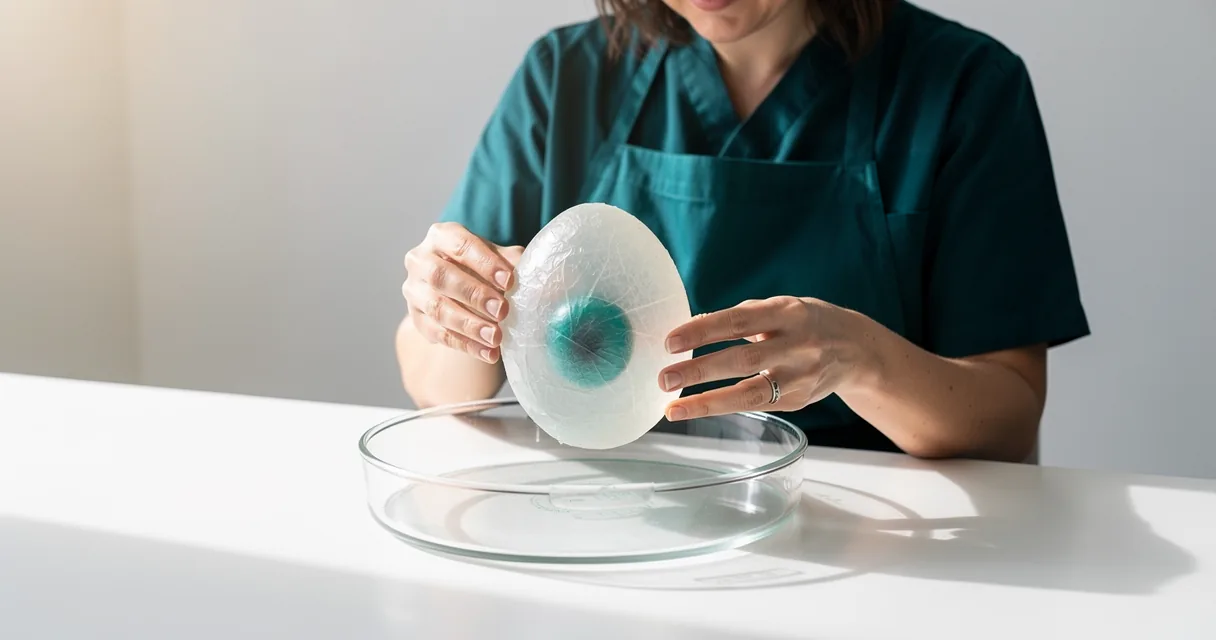
Elysian suggests somewhere protected from ordinary trouble. I pictured the occupant as a person until a mouse-oocyte experiment offered a much smaller subject. Epitalon reduced reactive oxygen species and modulated mitochondrial activity in egg cells studied after ovulation, preserving oocyte quality in vitro. The refuge, if I imagine one here, fits inside a culture dish.
The result concerns mouse egg cells after ovulation. That setting matters to the attraction: aging describes deterioration in a particular cell preparation, and quality is the reported outcome. My Elysium has become a place with a specific occupant and a particular difficulty to contend with.
Oocyte quality after ovulation
The same experiment reports reduced reactive oxygen species, the chemically reactive oxygen-containing molecules measured in the study. It also reports changes in mitochondrial activity. Those observations give the account more substance than a general description of youthful cells.
Elysian's miniature refuge appeals to me. It leaves room to ask what was preserved in an egg cell without pretending that a human life has been extended. A pregnancy outcome, a change in someone's appearance and a longer lifespan would each require their own evidence.
The egg-cell essay stays with the culture result and then compares it with a very different cellular task.
Rat pineal-cell activity
Shelter sounds passive. The rat pineal-cell experiment offers a busier image: Epithalon stimulated AANAT and pCREB synthesis and raised melatonin in the culture medium. A cell preparation was doing more of a particular job.
I prefer an Elysium occupied by cells with something to do. That preference gives these essays their centre of gravity: egg-cell quality and pineal-cell activity before the larger language of longevity. The laboratory findings retain their species and their scale.
There are separate essays on pineal-cell activity, telomere experiments and lifespan findings. Each changes the meaning of the activity being preserved or extended.